1. What issues can porcelain veneers fix?
Porcelain veneers can effectively correct chips, cracks, discoloration, gaps, minor misalignments, and irregularities in tooth shape or size.
2. Is the veneer procedure painful?
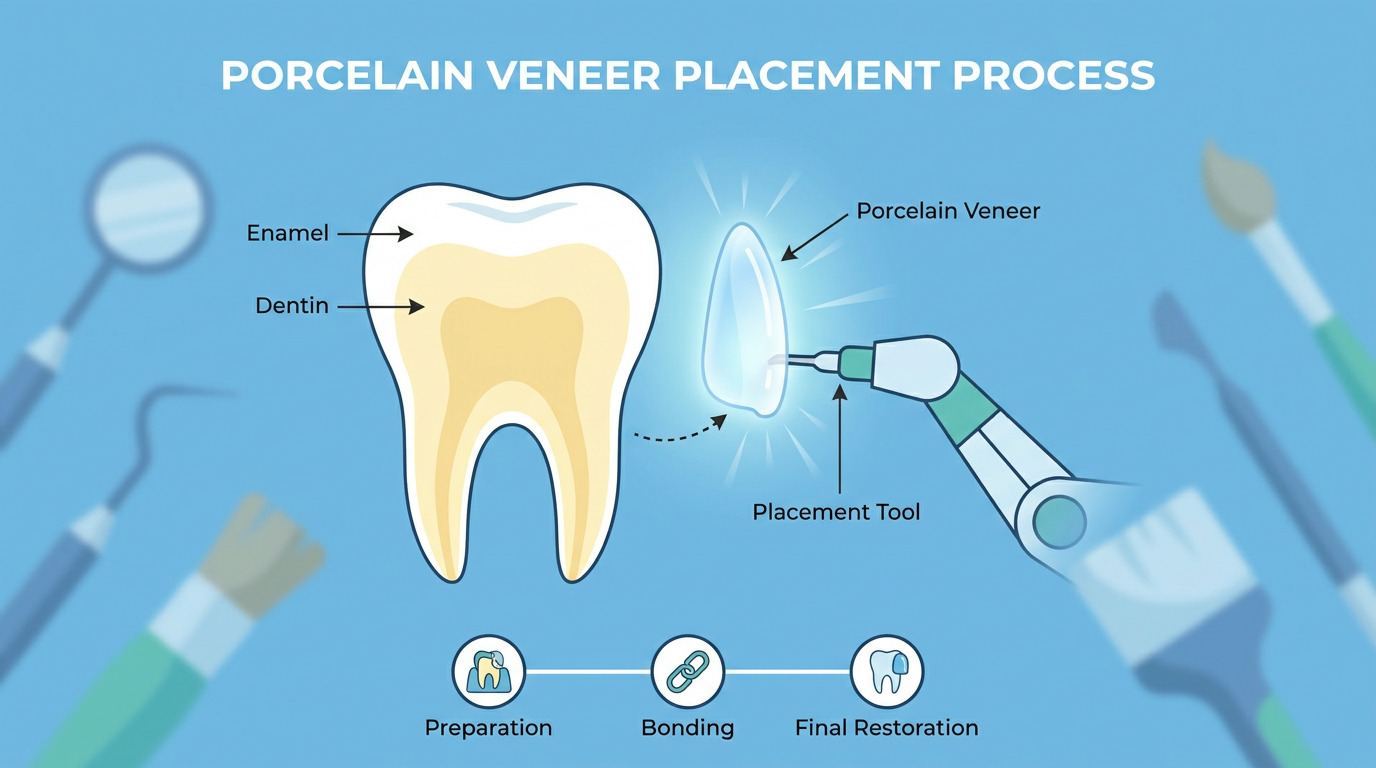
Most patients experience minimal discomfort during veneer placement. Local anesthetic is typically used during enamel preparation to ensure a comfortable experience.
3. How long does it take to get veneers?
The entire process, from consultation to final placement, usually takes about 2-3 appointments over a few weeks after the initial consultation.
4. Can I whiten my veneers?
No, veneers are stain-resistant and cannot be whitened like natural teeth. It's best to whiten natural teeth before veneer placement if a brighter overall shade is desired.
5. Do veneers feel natural?
Yes, once bonded, veneers are custom-made to fit perfectly and should feel smooth and natural, just like your own teeth.
6. What if a veneer chips or breaks?
While rare, if a veneer chips or breaks, it can often be repaired or replaced by your dentist. Prompt attention is important to maintain oral health.
7. Will my teeth be sensitive after getting veneers?
Some temporary sensitivity to hot or cold may occur after preparation, but it typically subsides within a few days or weeks.
8. How do I choose the right shade for my veneers?
Dr. Katie Hannon will help you select a shade that looks natural and complements your skin tone, ensuring a beautiful result.
9. Are there alternatives to porcelain veneers?
Yes, alternatives include dental bonding for minor issues, or Invisalign® for orthodontic correction of misalignments.
10. Can veneers be removed?
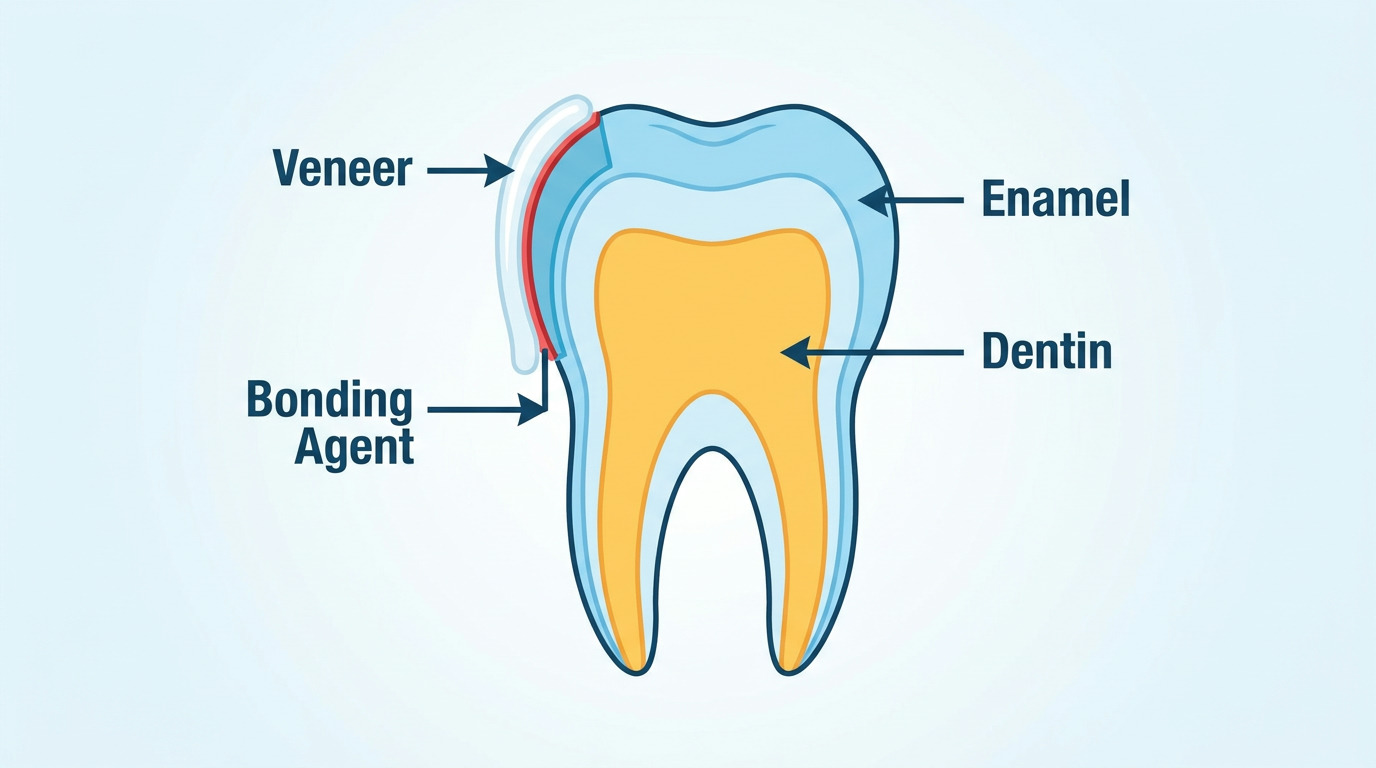
Veneers are considered a permanent restoration because enamel is removed. While they can be replaced, the original tooth structure cannot be fully restored.