

Back to Blogs

What You Should Know About Dental Crowns

Dental crowns restore strength, shape, and appearance to damaged teeth, offering a durable and aesthetic solution for lasting oral health.

August 6, 2026
2 min read
Linda, a woman with graying hair, leans on a wooden kitchen counter and bites into a red apple, with a potted plant on the windowsill behind her.
Back to Blogs

What You Should Know About Dental Crowns

Linda, a woman with graying hair, leans on a wooden kitchen counter and bites into a red apple, with a potted plant on the windowsill behind her.

Dental crowns restore strength, shape, and appearance to damaged teeth, offering a durable and aesthetic solution for lasting oral health.

August 6, 2026
2 min read

Foundations of a Healthy Smile

Dental crowns serve as vital restorations, acting like caps placed over damaged teeth to restore their strength, shape, size, and appearance. They can significantly prolong the life of a compromised tooth, providing a durable and aesthetic solution. Dr. David Bates often explains that a well-placed crown is a cornerstone of lasting oral health.

Jacob, a man in his early 40s, recently noticed a persistent dull ache in one of his back molars. He’d postponed dental visits for several years, hoping the discomfort would resolve on its own. Now, he was ready to address the issue head-on.

He arrived at Rosedale Dental seeking answers about his tooth pain. He knew he might need a significant repair and was curious about his options, especially since he hadn't experienced anything beyond routine fillings in the past.
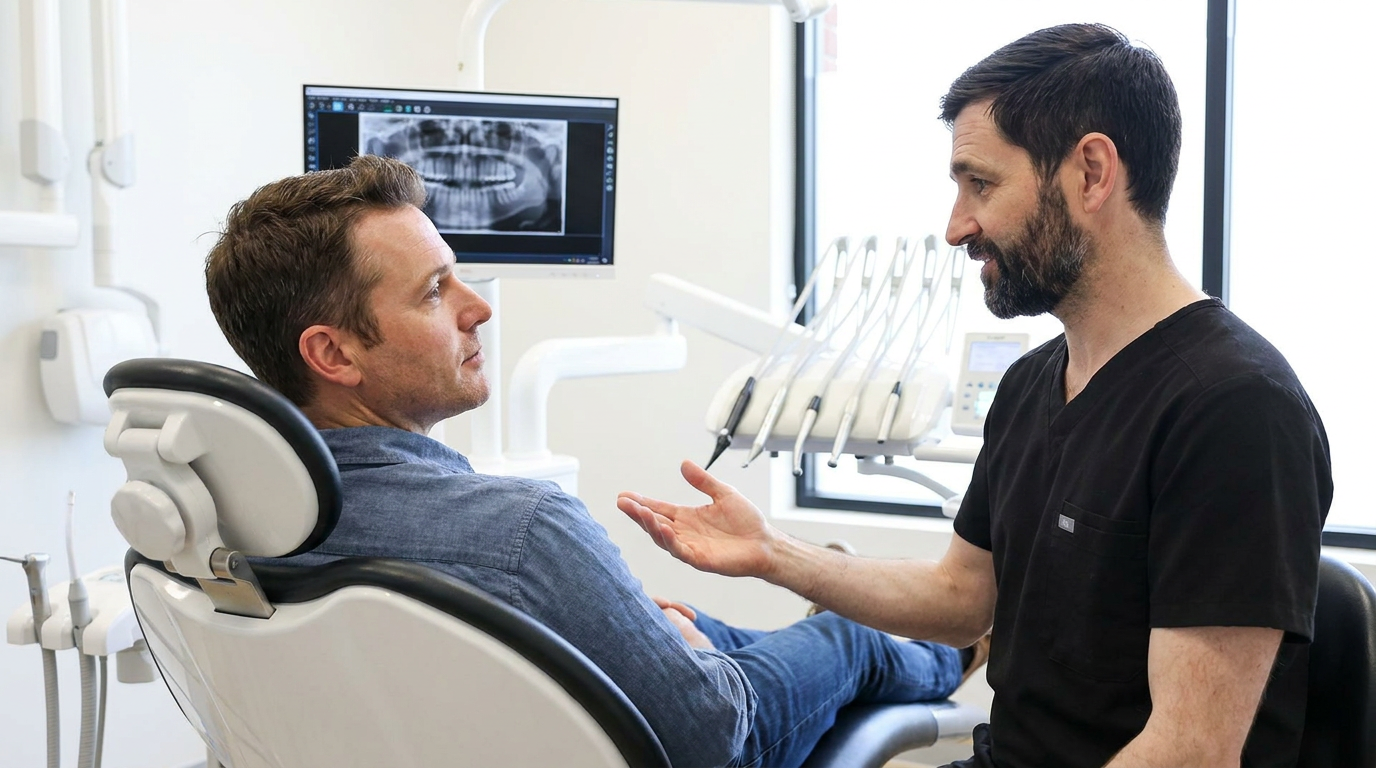
Dr. David Bates, wearing black scrubs, gestures with his right hand while speaking to Jacob, who is seated in a dental chair, with a monitor displaying dental X-rays in the background.

When Are Dental Crowns Necessary?

Dental crowns become necessary when a tooth has suffered damage too extensive for a traditional filling to repair effectively. Dr. David Bates carefully assesses each patient's situation, considering the degree of decay or fracture. A crown provides comprehensive protection and structural support.

Jacob’s X-rays revealed a large cavity that had weakened a significant portion of his molar. Dr. Bates explained that a filling simply wouldn't be strong enough to withstand the forces of chewing in that area, making a crown the ideal solution to prevent further breakdown.

Key Indicators for a Crown

  • Extensive Decay: When a cavity is too large for a standard filling.
  • Cracked or Broken Tooth: To hold fractured pieces together and prevent worsening damage.
  • After Root Canal: To protect the treated tooth, which can become brittle.
  • Worn Down Teeth: To restore original shape and improve chewing function.
  • Cosmetic Enhancement: To cover severely discolored or misshapen teeth.
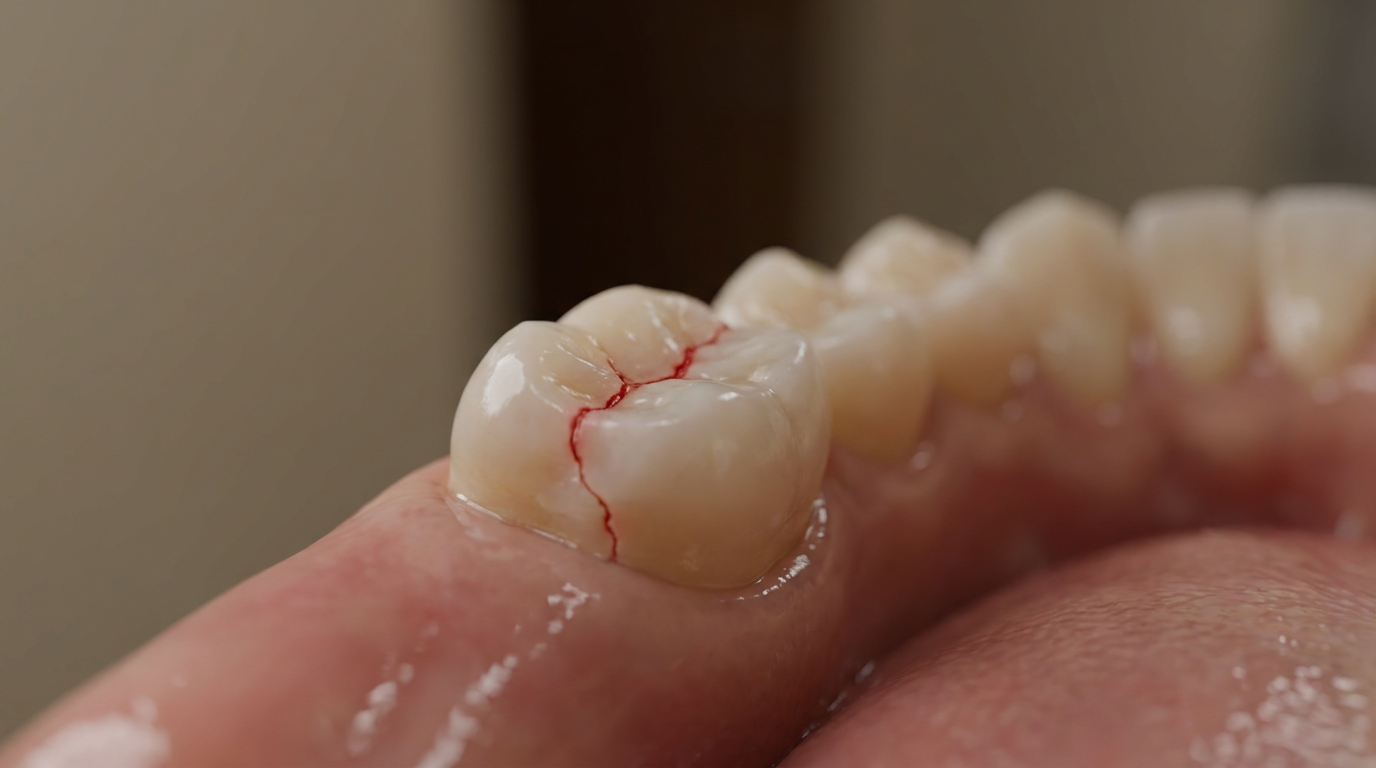
A close-up view shows a molar with a red fissure line on its surface, positioned next to other blurry teeth within a mouth.

Different Types of Dental Crowns

The choice of dental crown material depends on factors like location in the mouth, aesthetic preference, and durability needs. Dr. David Bates discusses all available options with patients to ensure the best fit for their lifestyle and budget. Each material offers distinct advantages for long-term dental health.

Jacob was particularly interested in what type of crown would look most natural. Dr. Bates showed him samples, explaining the characteristics of each. He emphasized that the goal is always a strong, functional, and aesthetically pleasing result.

Common Crown Materials

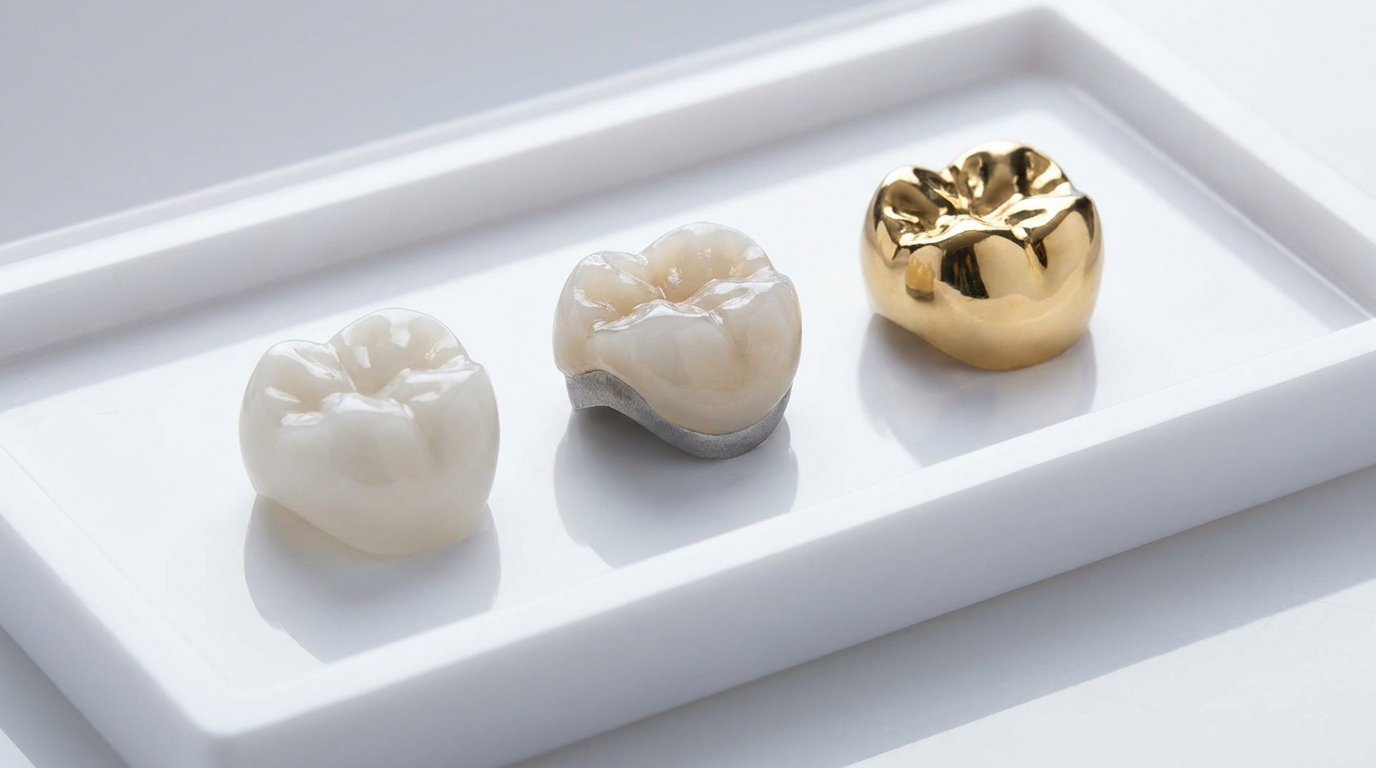
  • Porcelain or Ceramic Crowns: Excellent for front teeth due to their natural appearance, closely matching surrounding teeth. They are also suitable for patients with metal allergies.
  • Porcelain-Fused-to-Metal Crowns (PFM): Offer a good balance of strength and aesthetics. The metal substructure provides durability, while the porcelain exterior blends with your natural teeth.
  • Gold Alloy Crowns: Highly durable and biocompatible, these are often recommended for back molars where chewing forces are greatest. They are very resistant to fracture and wear.
  • Zirconia Crowns: Known for their exceptional strength and natural, tooth-colored appearance, zirconia is a popular choice for both front and back teeth. They are highly biocompatible and metal-free.
Three dental crowns, one white, one white with a gray base, and one gold, sit on a white tray.

The Crown Placement Process

Placing a dental crown typically involves two appointments, though advancements in technology can sometimes allow for same-day procedures. The process ensures a precise fit and natural look. Dr. David Bates carefully prepares the tooth to guarantee optimal results.

During Jacob’s first visit, Dr. Bates gently numbed the area around his molar. He then meticulously reshaped the tooth, removing decayed or damaged enamel to create an ideal foundation for the crown. This crucial step ensures the crown will fit securely and comfortably.

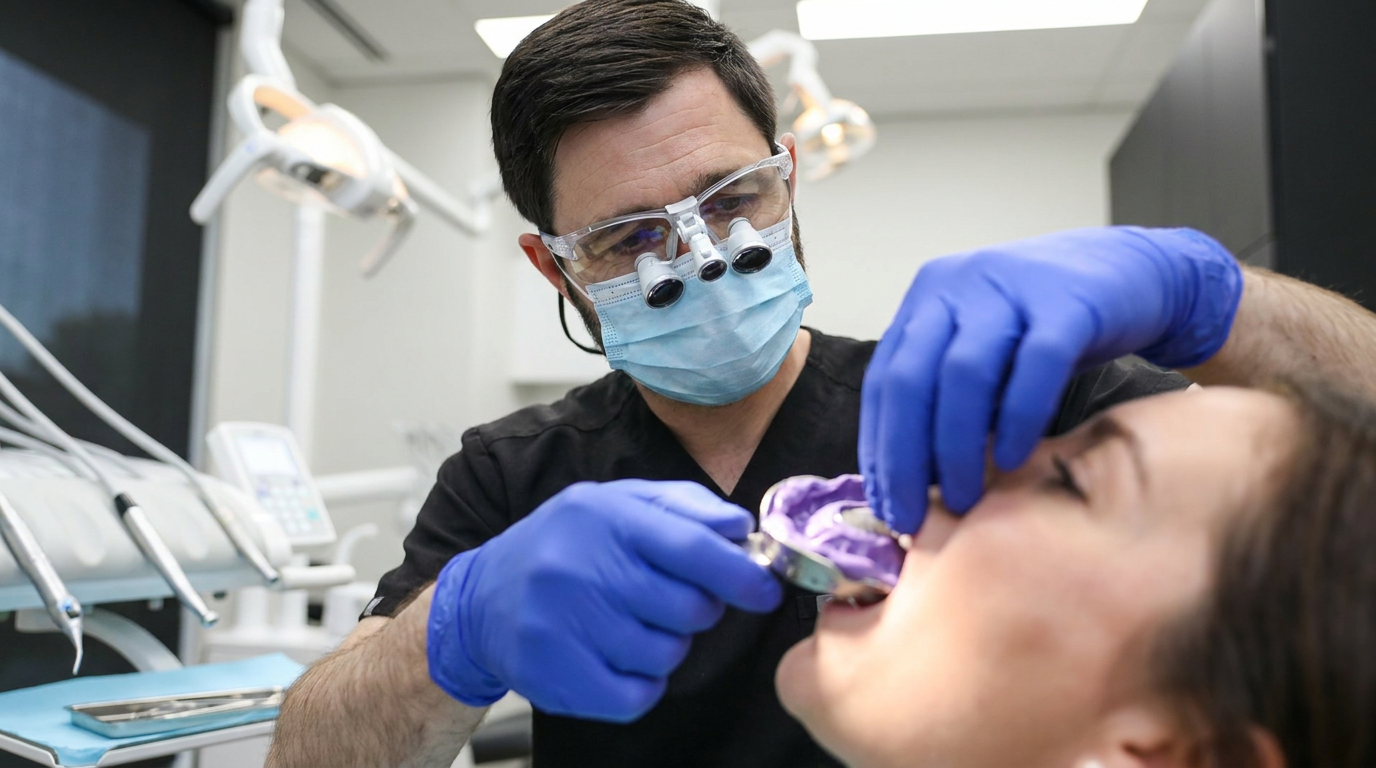
After preparation, an impression of Jacob’s tooth was taken and sent to a dental laboratory. A temporary crown was placed to protect the prepared tooth while the custom permanent crown was being fabricated. Jacob received instructions on how to care for his temporary restoration.

A dentist in a black scrub top, blue face mask, clear safety glasses, and blue gloves takes an impression of a patient's upper teeth in a dental office.

Ready for a Stronger, Healthier Smile?

If you're experiencing tooth pain, significant decay, or have questions about dental crowns, don't wait. Contact Rosedale Dental in Roseville, MN, today to schedule a consultation with Dr. David Bates. He will assess your needs and discuss the best restorative options for your smile.

How Long Do Crowns Last?

With proper care, dental crowns can last for many years, often between 5 and 15 years, or even longer. Their longevity largely depends on the material chosen, the patient’s oral hygiene habits, and the forces exerted on the crown. Dr. David Bates always emphasizes consistent home care.

Jacob wondered if his lifestyle would impact the crown's lifespan. Dr. Bates assured him that maintaining good oral hygiene, including regular brushing and flossing, is the most significant factor. Avoiding habits like chewing ice or using teeth as tools also contributes to durability.

Maximizing Your Crown's Lifespan

  • Excellent Oral Hygiene: Brush twice daily and floss once daily around the crown and surrounding teeth.
  • Regular Dental Check-ups: Visit Rosedale Dental for professional cleanings and examinations.
  • Avoid Hard Foods: Limit sticky candies, hard nuts, and ice that can stress or damage the crown.
  • Address Teeth Grinding: If you clench or grind your teeth, Dr. Bates might recommend a nightguard.
  • Prompt Repair: Address any issues like chipping or loosening immediately with Dr. Bates.
Jacob, wearing a gray t-shirt, brushes his teeth in a bathroom with a window and a mirror, leaning over a white sink with a faucet.

Crown vs. Filling: Which Is Best?

The decision between a dental crown and a filling depends entirely on the extent of tooth damage. Fillings are suitable for minor to moderate decay, where enough healthy tooth structure remains to support the restoration. Dr. David Bates carefully evaluates each case.

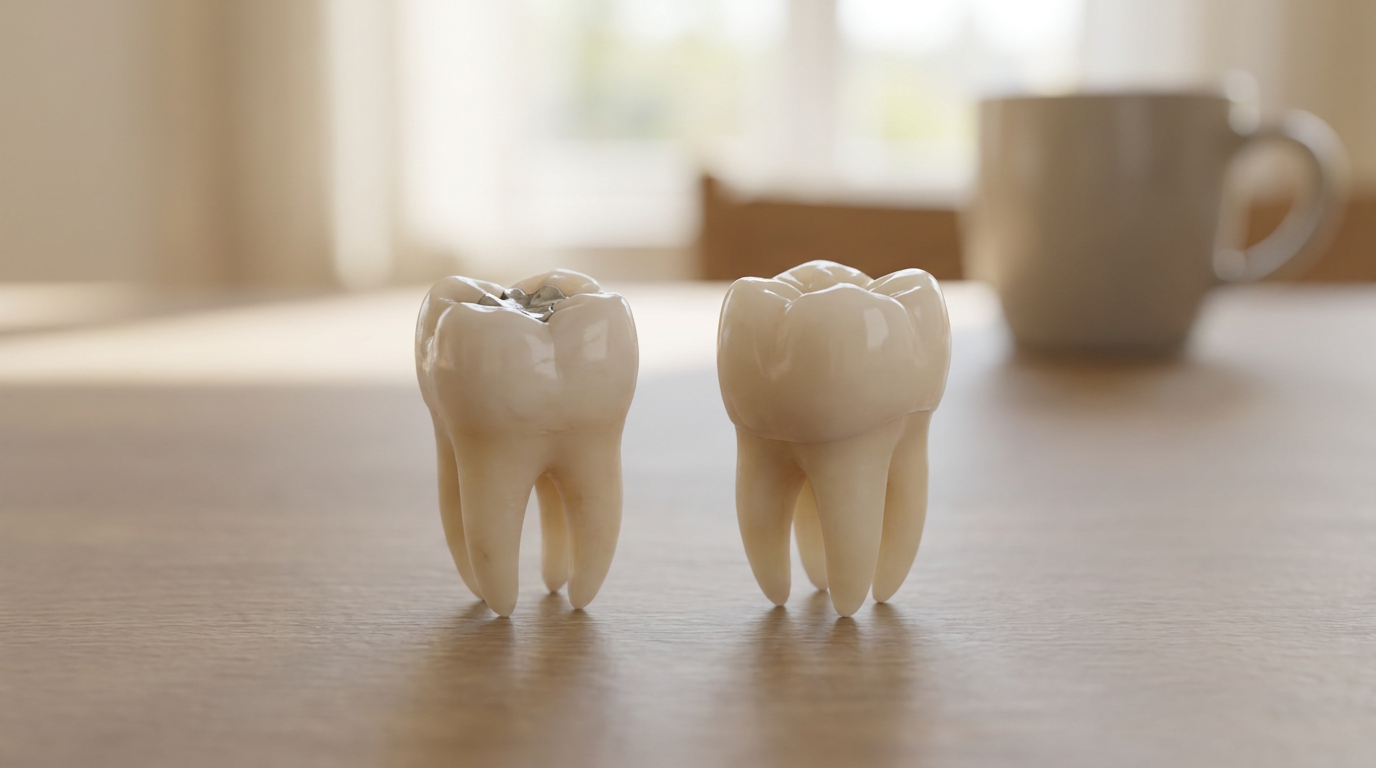
Jacob's initial thought was just to get a larger filling, but Dr. Bates explained why that wouldn't be ideal for his situation. A filling essentially "fills in" a small hole, while a crown covers the entire visible portion of the tooth above the gum line. This difference is key for structural integrity.

When a tooth is significantly weakened by a large cavity or fracture, a filling would leave the remaining tooth structure vulnerable to further damage. A crown, however, encases the entire tooth, providing superior protection and reinforcing its strength. It acts like a protective helmet.

Two dental models, one with a silver filling and one without, stand side-by-side on a wooden surface with a blurred white mug in the background.

After Your Crown: Care and Expectations

Once your permanent crown is placed, it’s essential to follow post-treatment care instructions to ensure its success and your comfort. Mild sensitivity to hot or cold is common immediately after the procedure but should subside. Dr. David Bates provides clear guidance for a smooth recovery.

Jacob was given a list of instructions after his permanent crown was cemented. He was advised to avoid chewing on the crowned tooth for the rest of the day to allow the cement to fully set. Dr. Bates also explained what to expect in terms of sensation.

Post-Crown Care Tips

  • Temporary Sensitivity: It's normal to experience some sensitivity; this usually diminishes within a few days.
  • Chewing Comfort: Be mindful of how your bite feels; if it feels off, contact Dr. David Bates for an adjustment.
  • Maintain Hygiene: Continue with regular brushing and flossing, paying special attention to the area around the crown.
  • Avoid Hard or Sticky Foods: Especially right after placement, until you are fully comfortable.
  • Regular Check-ups: Ensure the crown and surrounding teeth remain healthy with routine dental exams & x-rays.
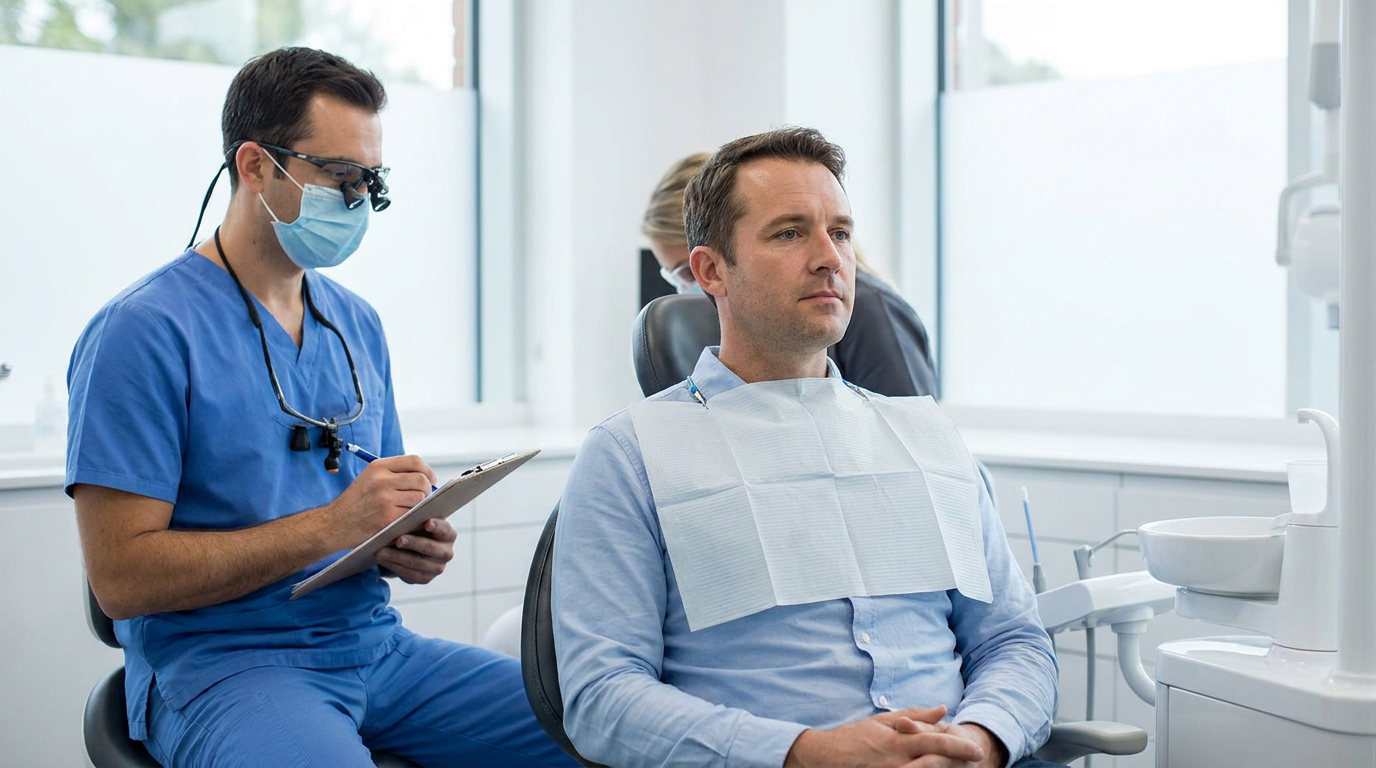
A male dentist in blue scrubs, a face mask, and loupes sits to the left, writing on a clipboard, while a male patient in a light blue shirt and a dental bib sits in a dental chair to the right, looking forward.

Restoring Your Tooth's Future

Understanding the role and benefits of dental crowns empowers patients to make informed decisions about their oral health. These versatile restorations are a cornerstone of modern dentistry, offering solutions for a wide range of dental challenges from extensive decay to cosmetic enhancements. They restore not just the tooth, but often a patient's confidence in their smile.

Jacob’s experience with his molar crown was transformative. The initial ache vanished, replaced by the familiar strength of a healthy tooth. He now understood that proactive care, even when it involves a significant restoration, is an investment in his overall well-being.

He left Rosedale Dental feeling not only relieved but also better educated about his dental care. He appreciated Dr. David Bates’ thorough explanations and gentle approach throughout the process. Jacob now knows that addressing dental issues promptly with reliable solutions like crowns can prevent more complex problems down the line. His restored molar serves as a constant reminder of the importance of consistent dental care.

Jacob, wearing a dark jacket and blue jeans, smiles and gestures with his hands while talking to another man across a wooden table at an outdoor cafe.

Frequently Asked Questions

1. What exactly is a dental crown?
A dental crown is a custom-made cap that Dr. David Bates places over a damaged tooth. It completely covers the tooth, restoring its original shape, size, strength, and appearance, while protecting it from further damage or decay.

2. Is getting a dental crown painful?
Dr. David Bates always ensures patient comfort. The procedure is performed under local anesthesia, so you won't feel pain during the preparation of your tooth. Mild sensitivity after the procedure is normal and typically subsides quickly.

3. Can a crowned tooth get a cavity?
Yes, a crowned tooth can still get a cavity at the margin where the crown meets the tooth. It's crucial to maintain excellent oral hygiene around your crown and continue with regular dental check-ups to prevent decay.

4. How do I know if I need a crown or just a filling?
Dr. David Bates determines whether a crown or filling is best by assessing the extent of tooth damage. If the decay or fracture is extensive and compromises the tooth's structure, a crown is usually recommended for better long-term protection.

5. What materials are available for dental crowns?
Common materials include porcelain, ceramic, porcelain-fused-to-metal, gold alloys, and zirconia. Dr. David Bates will discuss the pros and cons of each, helping you choose the best option based on the tooth's location, aesthetics, and durability needs.

6. How do I care for my new dental crown?
Caring for a dental crown is similar to caring for your natural teeth. Dr. David Bates recommends brushing twice daily, flossing once daily, and avoiding habits like chewing on ice or very hard foods. Regular dental visits are also essential.

Ready to Love Your Smile?

Get the healthy, confident smile you deserve with expert dental care in Roseville, MN. At Rosedale Dental, we offer personalized treatments that help you look great, feel comfortable, and enjoy long-term oral health. Call now or book online to schedule your dental appointment today.

Book Your Appointment Today

Now Welcoming New Patients

Office Hours

Ready to make an appointment? We can't wait to welcome you to our dental family!

  • Mon: 7:30 AM – 4:30 PM
  • Tue: 7:30 AM – 4:30 PM
  • Wed: 7:30 AM – 4:30 PM
  • Thu: 7:30 AM – 4:30 PM
  • Fri: Closed

Location

1781 County Road B West, Roseville, MN 55113

Thank you for booking your appointment!

We’ve received your request and will contact you soon to confirm the details. We look forward to seeing you at Rosedale Dental!

Oops! Something went wrong while submitting the form.
Related Blog Posts

Stay Informed with Expert Insights & Tips About Dental Care

Ava holds her phone, viewing the "Find a Provider" section of the United Healthcare dental app in her kitchen.
7.10.2026

How to Find a Dentist Who Takes United Healthcare

Understanding and utilizing your United Healthcare dental benefits is key to affordable and effective oral care.

Grace smiles, holding a clear aligner tray in her hand, at a cafe window seat.
7.10.2026

Is Invisalign Right for Your Smile?

Discover if clear aligners like Invisalign can discreetly correct your crowded teeth or gaps for a confident smile.

Rachel sips coffee from a white mug, pauses thoughtfully with a hand on her jaw, in a navy crewneck shirt.
7.10.2026

What to Do in a Dental Emergency

Knowing how to respond to unexpected dental issues, from chipped teeth to severe pain, ensures quick action and better oral health outcomes.