

Back to Blogs

Restoring Your Confident Smile With Dental Implants

Dental implants provide a stable, natural-looking solution for missing teeth, restoring function and confidence with proper care.

September 9, 2026
2 min read
Steven sits in a cream armchair, covered by a beige blanket, holding a light gray ice pack to his right jaw, looking out a window.
Back to Blogs

Restoring Your Confident Smile With Dental Implants

Steven sits in a cream armchair, covered by a beige blanket, holding a light gray ice pack to his right jaw, looking out a window.

Dental implants provide a stable, natural-looking solution for missing teeth, restoring function and confidence with proper care.

September 9, 2026
2 min read

The Power of Implants

Many individuals are discovering that dental implants offer a remarkable solution for replacing missing teeth, providing both aesthetic appeal and crucial functional benefits. They are designed to integrate with the jawbone, creating a stable foundation for a replacement tooth that looks and feels incredibly natural. This modern approach to tooth replacement has become increasingly popular for its long-term success and transformative impact on oral health.

Steven, a software engineer in his late 40s, recently visited Rosedale Dental in Roseville, MN, after years of discomfort with a missing back molar. He had always been self-conscious about the gap and found chewing certain foods challenging. Steven was seeking a more permanent and comfortable option than his previous partial denture.

He met with Dr. David Bates, who understood Steven’s desire for a solution that would allow him to eat and smile with complete confidence again. Dr. Bates explained that dental implants could be a life-changing investment for Steven, offering stability and preserving his jawbone. He outlined the implant process thoroughly, addressing Steven's questions and concerns.
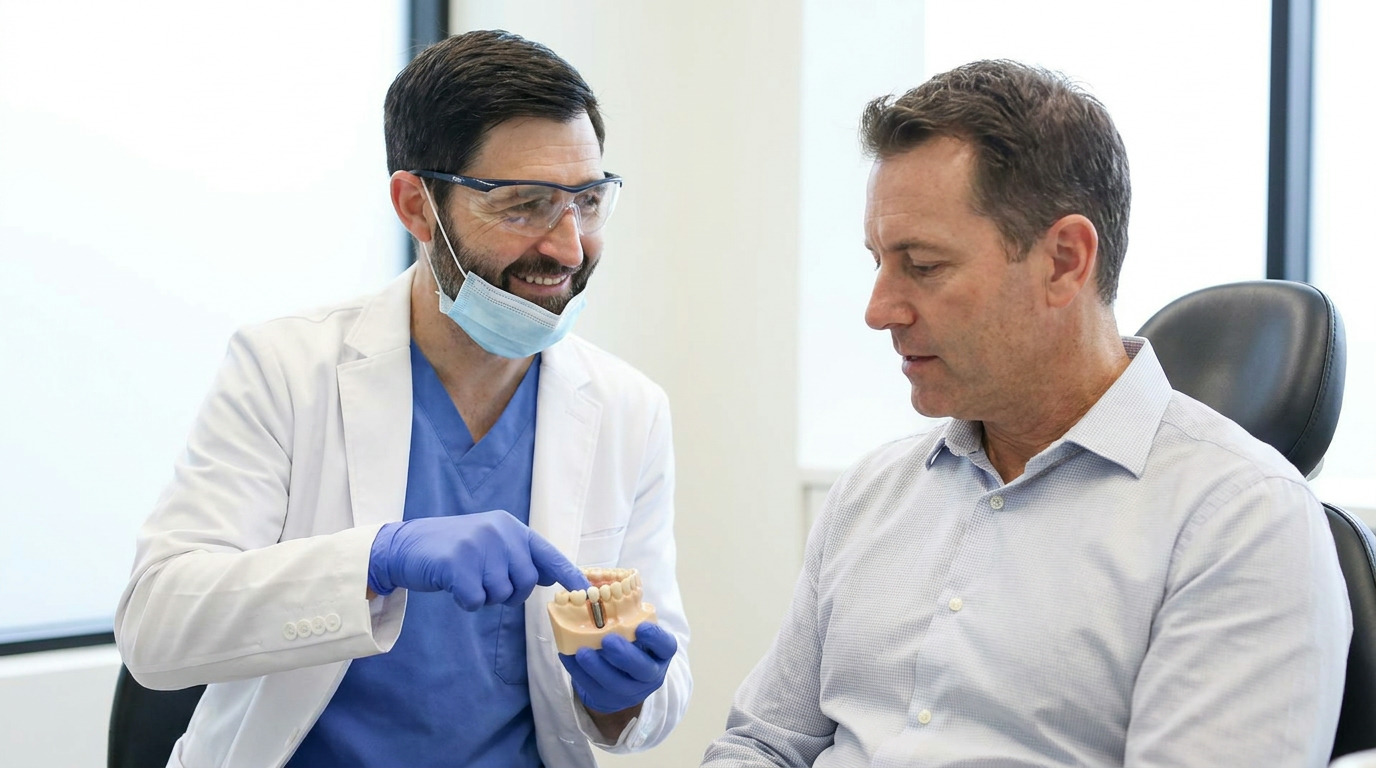
A dentist in a white lab coat, blue scrubs, safety glasses, and a mask pulled down points to a dental implant model while talking to a patient seated in a dental chair.

What Are Dental Implants?

Dental implants are essentially artificial tooth roots, typically made of biocompatible titanium, surgically placed into the jawbone beneath the gum line. These roots then fuse with the bone, providing a strong and durable anchor for a replacement tooth or bridge. This unique integration is what makes implants feel so much like natural teeth.

Dr. David Bates explained to Steven that this fusion, known as osseointegration, is critical for the implant’s long-term success. It ensures the implant becomes a permanent part of the jaw structure. This foundational stability prevents the bone loss often associated with missing teeth, maintaining facial structure and oral health.

Implants are a versatile solution for various tooth loss scenarios.

  • Single Tooth Replacement: An implant and a crown replace one missing tooth.
  • Multiple Teeth Replacement: Implants can support a fixed bridge for several missing teeth.
  • Full Arch Restoration: A few strategically placed implants can secure an entire arch of replacement teeth, such as with All-on-X dental implants.
  • Denture Stabilization: Implants can provide a stable anchor for removable dentures, greatly improving comfort.
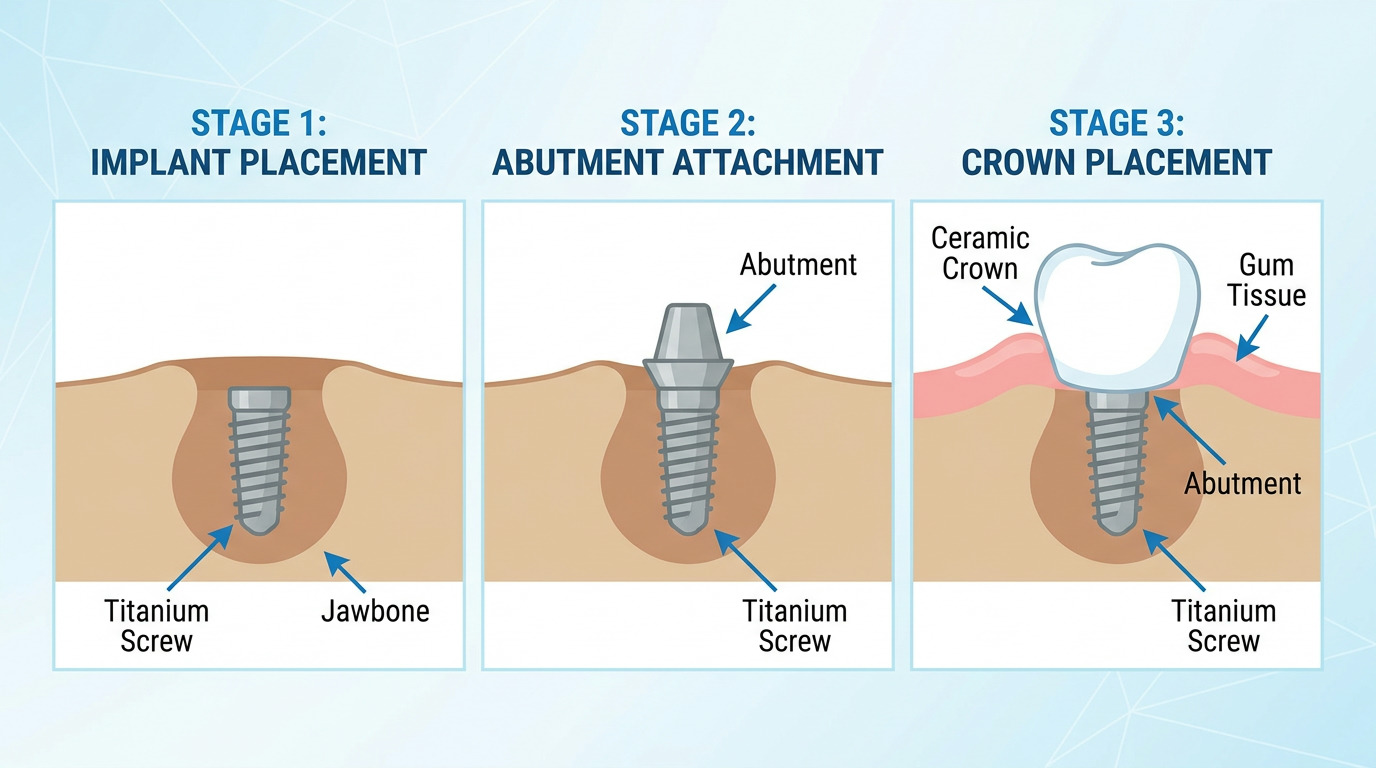
An illustration depicts three stages of a dental implant: a titanium screw in jawbone, an abutment attached to the screw, and a ceramic crown placed on the abutment surrounded by gum tissue.

Am I a Candidate for Implants?

Determining candidacy for dental implants involves a comprehensive evaluation of a patient's oral health, overall health, and jawbone density. Ideal candidates typically possess good general health and sufficient bone to support the implant. Conditions like uncontrolled diabetes or certain medications can affect the healing process and implant success, which Dr. David Bates carefully assesses.

Steven was pleased to learn that his healthy gums and generally good health made him a strong candidate. Dr. Bates used advanced imaging to check Steven’s jawbone volume, which was adequate for implant placement. A thorough examination ensures the best possible outcome for every patient considering this restorative option.

Key factors considered for implant candidacy include:

  • Adequate Bone Density: Sufficient jawbone is essential to anchor the implant securely.
  • Good Oral Health: Healthy gums and remaining teeth are crucial to prevent complications.
  • Overall Health: Chronic diseases or certain habits like smoking can impact healing and success.
  • Commitment to Oral Hygiene: Diligent brushing and flossing are necessary for long-term implant care.
  • Realistic Expectations: Understanding the process and recovery is important for patient satisfaction.
Four smiling people sit at a wooden table in a sunlit cafe with coffee cups and pastries, as one woman gestures while talking.

The Dental Implant Process

The journey to a restored smile with dental implants typically unfolds over several stages, beginning with a thorough consultation and planning phase. Dr. David Bates uses precise imaging and diagnostics to create a customized treatment plan tailored to each patient's unique needs. This meticulous planning is fundamental to ensuring predictable and successful results.

Following the initial assessment, the implant itself is surgically placed into the jawbone. This procedure is performed with careful attention to comfort, and many patients report less discomfort than anticipated. After placement, a crucial healing period of several months follows, during which the implant fuses with the bone in a process called osseointegration.

Once osseointegration is complete, an abutment is attached to the implant, which acts as a connector for the final restoration. Finally, a custom-made crown, bridge, or denture is securely placed, completing the transformation. Steven found the step-by-step explanation reassuring, understanding that each phase is vital for the implant's stability and function.

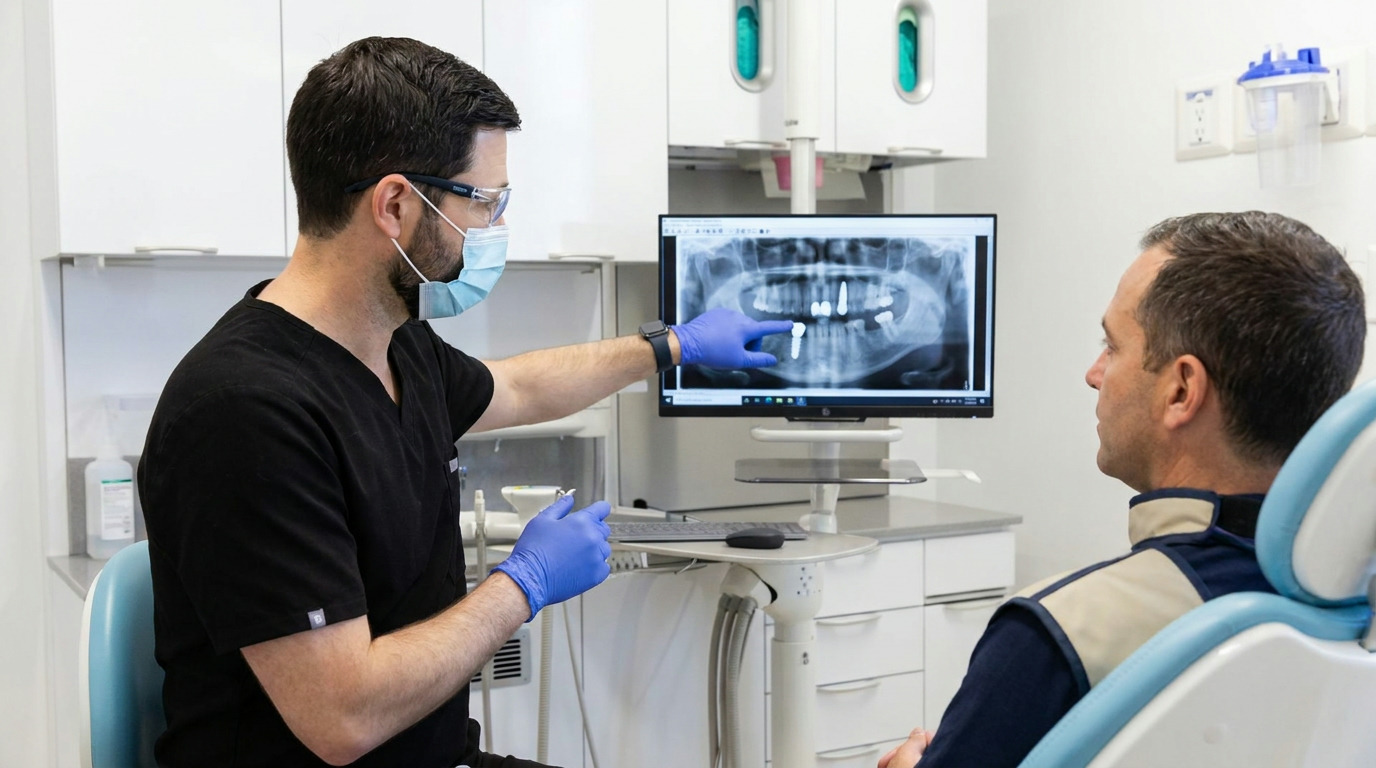
Dr. Bates, wearing black scrubs, a blue mask, and safety glasses, points to a dental X-ray on a monitor while a patient in a dental chair watches him.

Ready for a Confident Smile?

If you are considering dental implants or want to learn more about your tooth replacement options, the team at Rosedale Dental is ready to help. Dr. David Bates offers personalized consultations to discuss your unique needs and create a treatment plan tailored just for you. Contact us today to schedule your consultation and take the first step toward restoring your smile and confidence.

What Are the Benefits of Implants?

Dental implants offer a multitude of advantages that extend far beyond simply filling a gap in the smile. They are celebrated for their ability to closely mimic natural teeth, providing stability that allows patients to eat, speak, and laugh without hesitation. This restoration of function and aesthetics significantly enhances a patient's quality of life.

Steven quickly realized the long-term value, imagining being able to enjoy his favorite foods again without worry. Dr. David Bates highlighted that implants prevent the bone deterioration often seen with missing teeth, preserving the natural contours of the face. Unlike bridges, implants do not require altering adjacent healthy teeth, making them a conservative choice.

The benefits of choosing dental implants are compelling:

  • Improved Appearance: Implants look and feel like your own natural teeth.
  • Enhanced Speech: Missing teeth can affect speech, which implants can help correct.
  • Easier Eating: They function like natural teeth, allowing comfortable chewing of various foods.
  • Durability and Longevity: With proper care, implants can last for many decades, often a lifetime.
  • Improved Oral Health: They don't require reducing other teeth, preserving more of your natural tooth structure.
Steven eats a sandwich at an outdoor cafe table with a friend, who sits across from him with a coffee cup.

Implants vs. Other Options

When considering tooth replacement, patients often compare dental implants to more traditional solutions like dental bridges and dentures. While bridges and dentures effectively replace missing teeth, implants offer distinct advantages in terms of stability, bone health, and longevity. Dr. David Bates explains these differences carefully so patients can make informed decisions about their care.

Bridges rely on adjacent healthy teeth for support, often requiring these teeth to be reshaped to accommodate crowns. This can put stress on the supporting teeth over time. Dentures, particularly removable ones, can sometimes shift or cause discomfort, affecting speech and eating. Steven appreciated hearing that implants are a standalone solution, integrating directly with his jaw.

The permanent nature of implants means they don't slip, click, or require adhesives, providing a level of confidence and comfort that removable options often cannot. Unlike bridges or dentures, implants also stimulate the jawbone, preventing the bone loss that naturally occurs when a tooth root is absent. This bone preservation is a significant long-term health benefit.

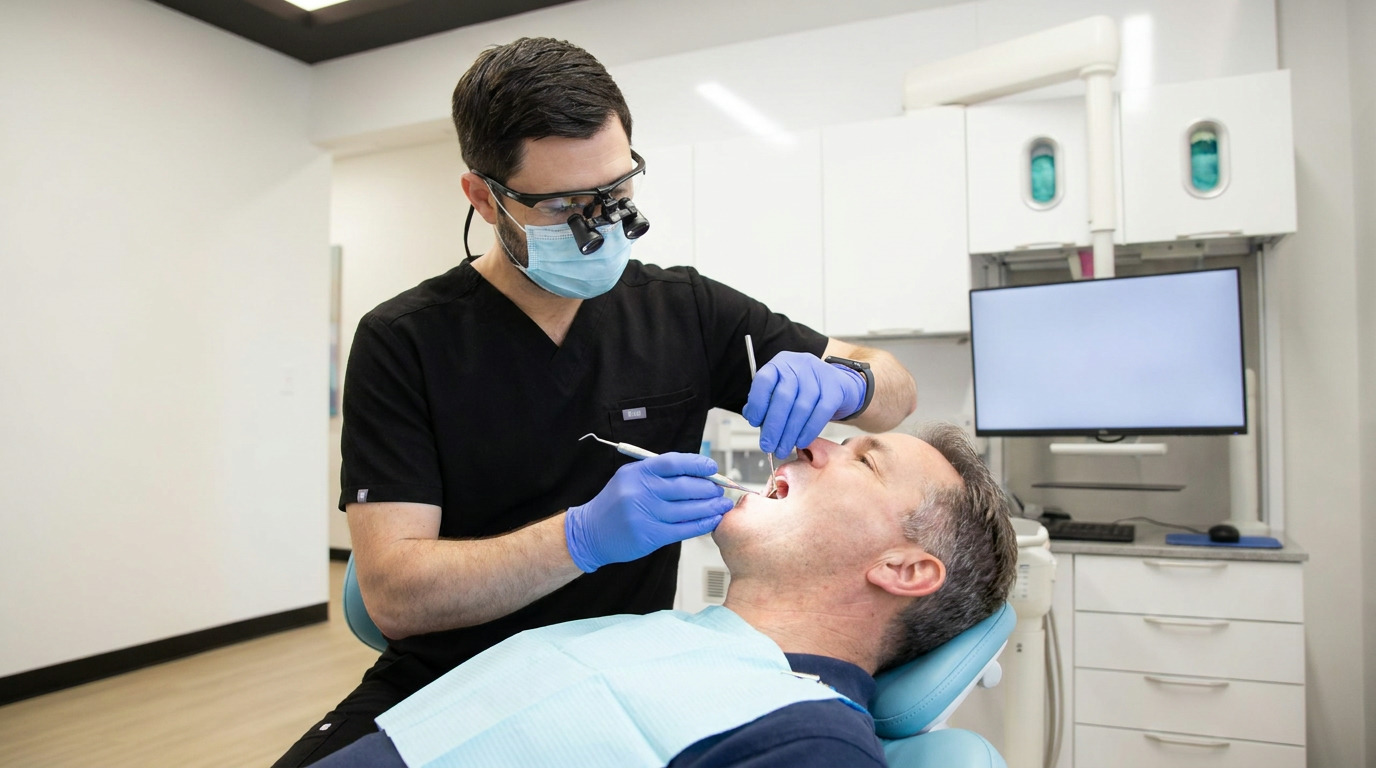
Dr. David Bates, wearing a mask and loupes, examines a male patient's open mouth with dental tools while the patient reclines in a dental chair with a blue bib in a modern dental office.

Caring for Your New Implants

Maintaining dental implants is very similar to caring for natural teeth, emphasizing consistent daily hygiene and regular professional check-ups. Just like natural teeth, implants are susceptible to gum disease if not properly cleaned, so a diligent oral care routine is essential for their longevity. Dr. David Bates always stresses the importance of preventive care.

Steven learned that successful implant integration is just the first step; continued care ensures their lasting function and appearance. Brushing twice a day, flossing daily, and using an antimicrobial mouthwash are all part of the recommended regimen. These habits prevent plaque buildup around the implant and maintain the health of surrounding gums.

Essential care practices for dental implants include:

  • Regular Brushing: Brush at least twice daily using a soft-bristled toothbrush.
  • Daily Flossing: Clean around and between your implants and natural teeth every day.
  • Antimicrobial Mouthwash: Consider using a therapeutic mouthwash recommended by Dr. Bates.
  • Routine Dental Check-ups: Visit Rosedale Dental every six months for professional cleanings and examinations.
  • Avoid Hard Foods: Be mindful of excessively hard or sticky foods that could damage your implant crown.
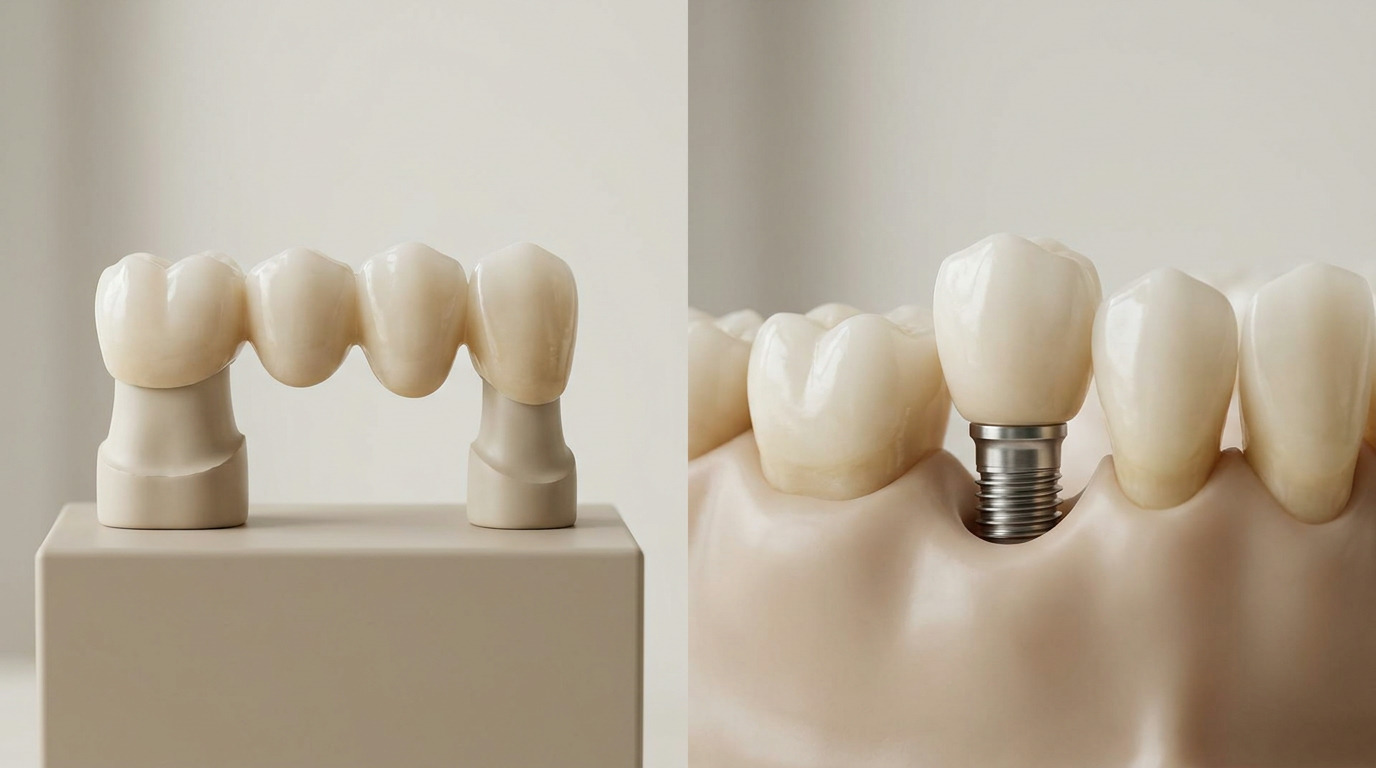
A dental bridge model rests on a beige block next to a dental implant model with a crown and screw in a gum-like base.

Your Path to a Full Smile

Choosing dental implants is a decision that extends beyond mere aesthetics; it's an investment in overall oral health, function, and enduring confidence. The ability to chew, speak, and smile freely without concern for missing teeth can profoundly improve daily life. Dr. David Bates and his team at Rosedale Dental are dedicated to guiding patients through every step of this transformative process, ensuring comfort and clarity.

For Steven, the implant procedure not only closed a long-standing gap but also eliminated years of self-consciousness. He no longer felt restricted in his food choices or hesitant to laugh openly. His experience highlighted how modern dentistry can seamlessly blend advanced technology with personalized care, creating results that truly feel natural.

Steven's journey underscored the profound difference that a stable, permanent tooth replacement can make. He often reflects on how the care he received from Dr. Bates helped him regain not just a tooth, but a complete sense of well-being. He encourages others considering tooth replacement to explore the lasting benefits and dedicated support offered at Rosedale Dental.

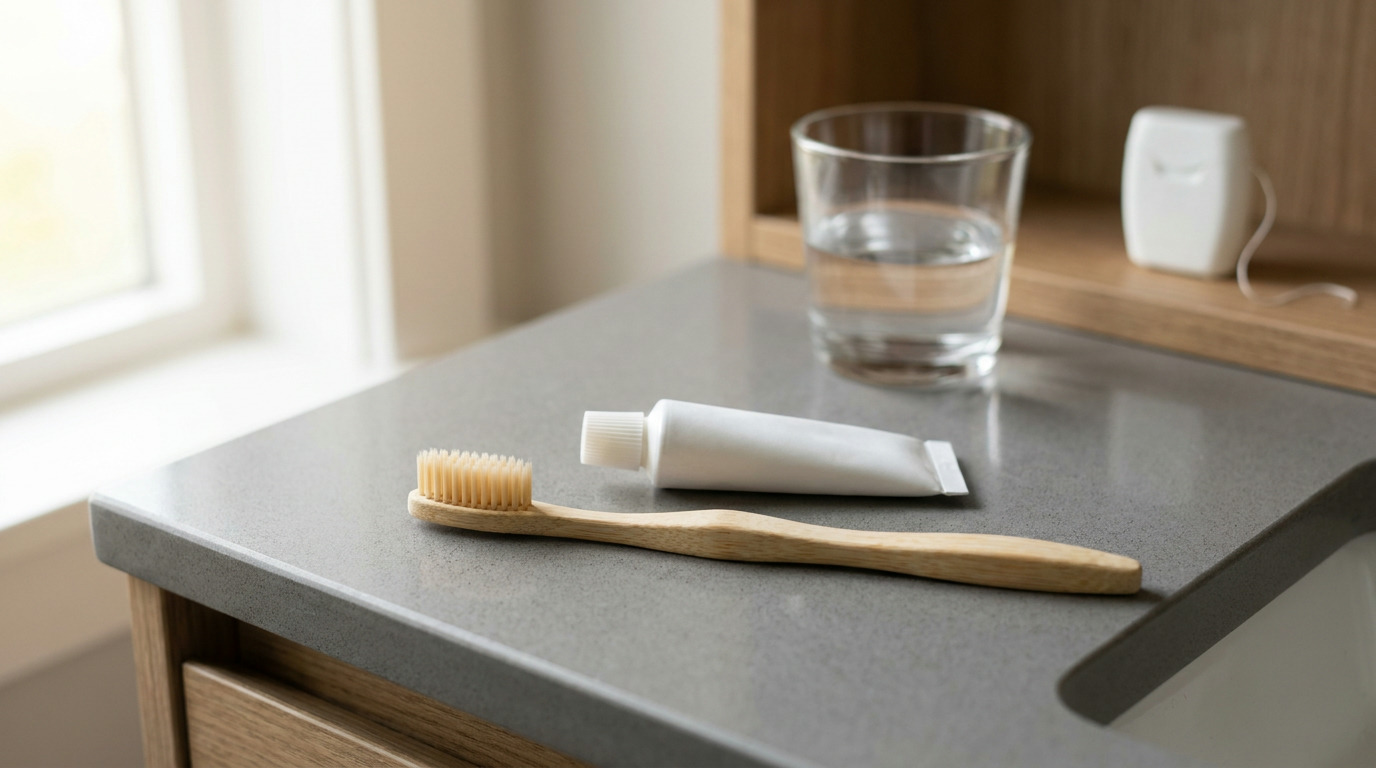
A bamboo toothbrush, a white tube of toothpaste, and a glass of water sit on a gray bathroom counter next to a sink, with a white dental floss container visible in the background.

Frequently Asked Questions

1. How long do dental implants last?
Dental implants are renowned for their durability and longevity; with proper oral hygiene and regular dental check-ups, they can last for many decades and often a lifetime. Their titanium construction and integration with the jawbone contribute to their remarkable permanence.

2. Is the dental implant procedure painful?
Patients are typically quite comfortable during the dental implant placement procedure thanks to local anesthesia and sedation options available at Rosedale Dental. Most patients report only mild to moderate discomfort after the procedure, which is manageable with over-the-counter pain medication.

3. What is osseointegration?
Osseointegration is the critical process where the surgically placed titanium dental implant fuses directly with the surrounding jawbone. This biological bond creates a strong, stable foundation, much like a natural tooth root, allowing the implant to securely support a crown, bridge, or denture.

4. Can I get dental implants if I have bone loss?
Even with some bone loss, many patients can still be candidates for dental implants. Dr. David Bates can often recommend bone grafting procedures to build up sufficient bone volume before implant placement, ensuring a stable foundation for successful integration.

5. How soon can I eat normally after getting implants?
While you'll need to follow a soft diet initially after implant placement, most patients can gradually return to eating a regular diet once the implant has fully integrated with the jawbone and the permanent restoration is in place. This usually takes a few months.

6. Are dental implants covered by insurance?
Dental implant coverage varies widely depending on your specific insurance plan. While some plans may cover a portion of the cost, others might not. Rosedale Dental can help you understand your benefits and explore financing options available to make treatment accessible.

Ready to Love Your Smile?

Get the healthy, confident smile you deserve with expert dental care in Roseville, MN. At Rosedale Dental, we offer personalized treatments that help you look great, feel comfortable, and enjoy long-term oral health. Call now or book online to schedule your dental appointment today.

Book Your Appointment Today

Now Welcoming New Patients

Office Hours

Ready to make an appointment? We can't wait to welcome you to our dental family!

  • Mon: 7:30 AM – 4:30 PM
  • Tue: 7:30 AM – 4:30 PM
  • Wed: 7:30 AM – 4:30 PM
  • Thu: 7:30 AM – 4:30 PM
  • Fri: Closed

Location

1781 County Road B West, Roseville, MN 55113

Thank you for booking your appointment!

We’ve received your request and will contact you soon to confirm the details. We look forward to seeing you at Rosedale Dental!

Oops! Something went wrong while submitting the form.
Related Blog Posts

Stay Informed with Expert Insights & Tips About Dental Care

Linda, a woman with graying hair, leans on a wooden kitchen counter and bites into a red apple, with a potted plant on the windowsill behind her.
8.6.2026

What You Should Know About Dental Crowns

Dental crowns restore strength, shape, and appearance to damaged teeth, offering a durable and aesthetic solution for lasting oral health.

Ava holds her phone, viewing the "Find a Provider" section of the United Healthcare dental app in her kitchen.
7.10.2026

How to Find a Dentist Who Takes United Healthcare

Understanding and utilizing your United Healthcare dental benefits is key to affordable and effective oral care.

Grace smiles, holding a clear aligner tray in her hand, at a cafe window seat.
7.10.2026

Is Invisalign Right for Your Smile?

Discover if clear aligners like Invisalign can discreetly correct your crowded teeth or gaps for a confident smile.