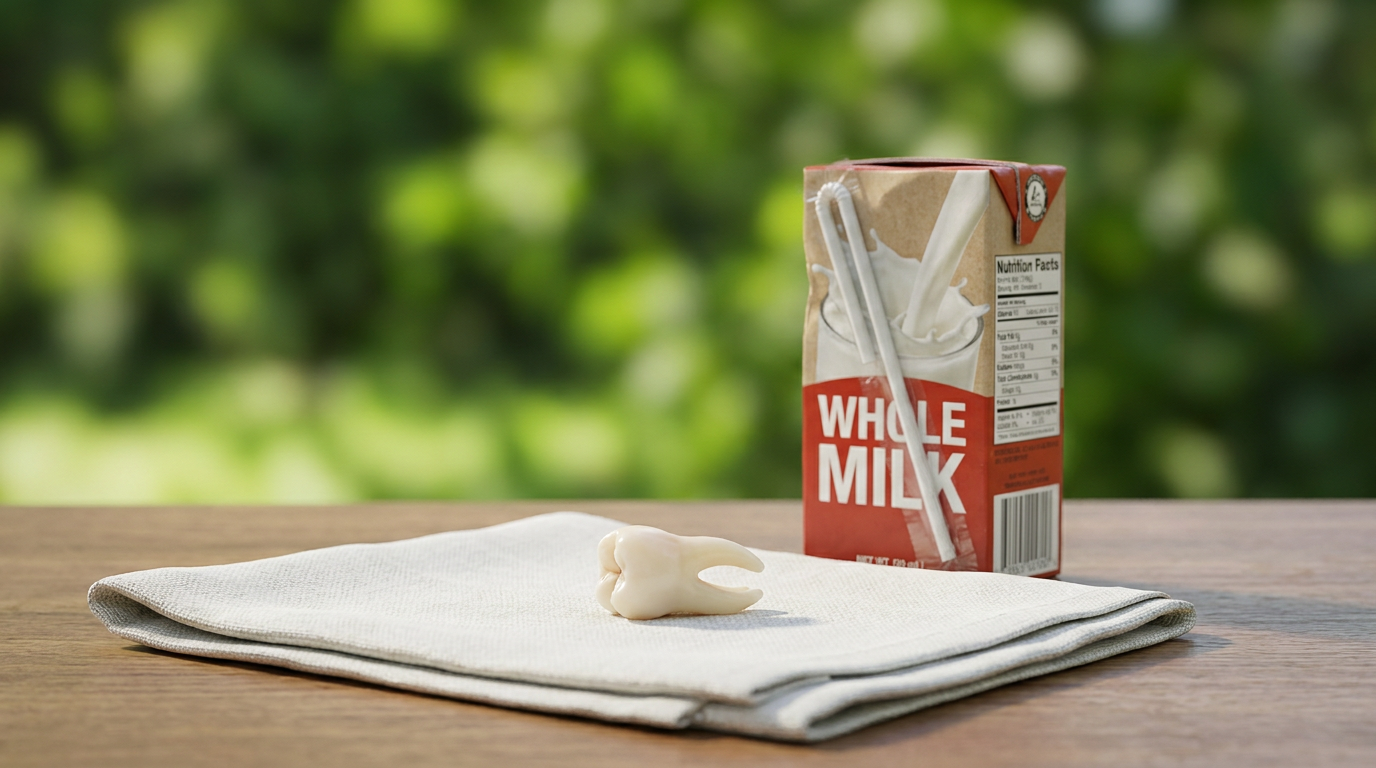
1. What should I do if my tooth is knocked out?
If a permanent tooth is knocked out, pick it up by the crown, avoid touching the root, and rinse gently. Try to reinsert it if possible, or place it in milk. Contact Dr. Bates or Dr. Tonarelli at the dental office immediately for the best chance of saving the tooth.
2. Is a chipped tooth considered a dental emergency?
A chipped tooth can be an emergency depending on its severity. If it causes severe pain, exposes nerves, or has sharp edges that cut your mouth, it warrants immediate attention. Dr. Katie Hannon recommends contacting the office to assess the situation properly.
3. How quickly should I see a dentist for a severe toothache?
For a severe toothache, you should seek dental attention as soon as possible. Intense pain, especially if accompanied by swelling or fever, could indicate a serious infection that requires prompt diagnosis and treatment from Dr. David Bates to prevent further complications.
4. What if I lose a dental filling or crown?
If you lose a filling or crown, try to keep the crown (if applicable) and avoid chewing on that side of your mouth. You can temporarily cover the exposed area with dental wax. Contact the dental office quickly to schedule an appointment for repair, as Dr. Isabella Tonarelli advises.
5. Can I go to an emergency room for a dental emergency?
While an emergency room can address severe pain or uncontrolled bleeding, they typically cannot treat the underlying dental issue. They may offer pain relief and antibiotics. Dr. Bates recommends contacting your dentist first for specific dental interventions.
6. What can I do for temporary relief before my emergency appointment?
For temporary relief, you can rinse your mouth with warm salt water and apply a cold compress to the outside of your cheek to reduce swelling. Over-the-counter pain relievers can also help manage discomfort before your appointment with Dr. Katie Hannon.